

In the world of fitness and wearable technology, the WHOOP band has rapidly emerged as a favorite among athletes, fitness enthusiasts, and those looking to improve their overall wellness. This minimalist band packs a powerful punch, offering features beyond just tracking your steps and heart rate. With a focus on recovery, sleep, and performance optimization, WHOOP is revolutionizing how we approach fitness.
We’ll dive deep into what the WHOOP band is, its core features, how it differs from traditional wearables, and why it could be your secret weapon for achieving peak performance.
What is the WHOOP Band?
The WHOOP band is a high-tech fitness tracker designed to monitor your body 24/7. Unlike many other wearables, WHOOP focuses not just on activity, but also on recovery and sleep—key elements for improving athletic performance and overall health. By tracking physiological data such as heart rate variability (HRV), sleep stages, respiratory rate, and strain, WHOOP provides actionable insights that help users optimize their workouts, rest periods, and lifestyle choices.
Key Features of the WHOOP Band
- Strain Monitoring
- WHOOP helps you understand how much strain your body is under each day. It tracks your cardiovascular exertion during workouts and daily activities, providing a Strain score between 0 to 21. This score helps users understand when they should push themselves harder or when to dial it back.
- Recovery Score
- Recovery is the backbone of the WHOOP platform. By analyzing your heart rate variability (HRV), resting heart rate, respiratory rate, and sleep data, WHOOP provides a daily Recovery score (0 to 100%). This score indicates how well your body has recovered overnight, helping you decide if you’re ready for intense exercise or should prioritize rest.
- Sleep Analysis
- Heart Rate Variability (HRV) Tracking
- One of WHOOP’s standout features is HRV tracking. HRV is a critical indicator of your body’s ability to handle stress and recover. Higher HRV generally means better cardiovascular fitness and recovery, while lower HRV can indicate fatigue or strain.
- Activity & Calorie Tracking
- While WHOOP is primarily focused on recovery, it also tracks calories burned and daily activity levels. It uses your heart rate to estimate energy expenditure and helps you set goals for movement throughout the day.
- Coaching and Personalized Insights
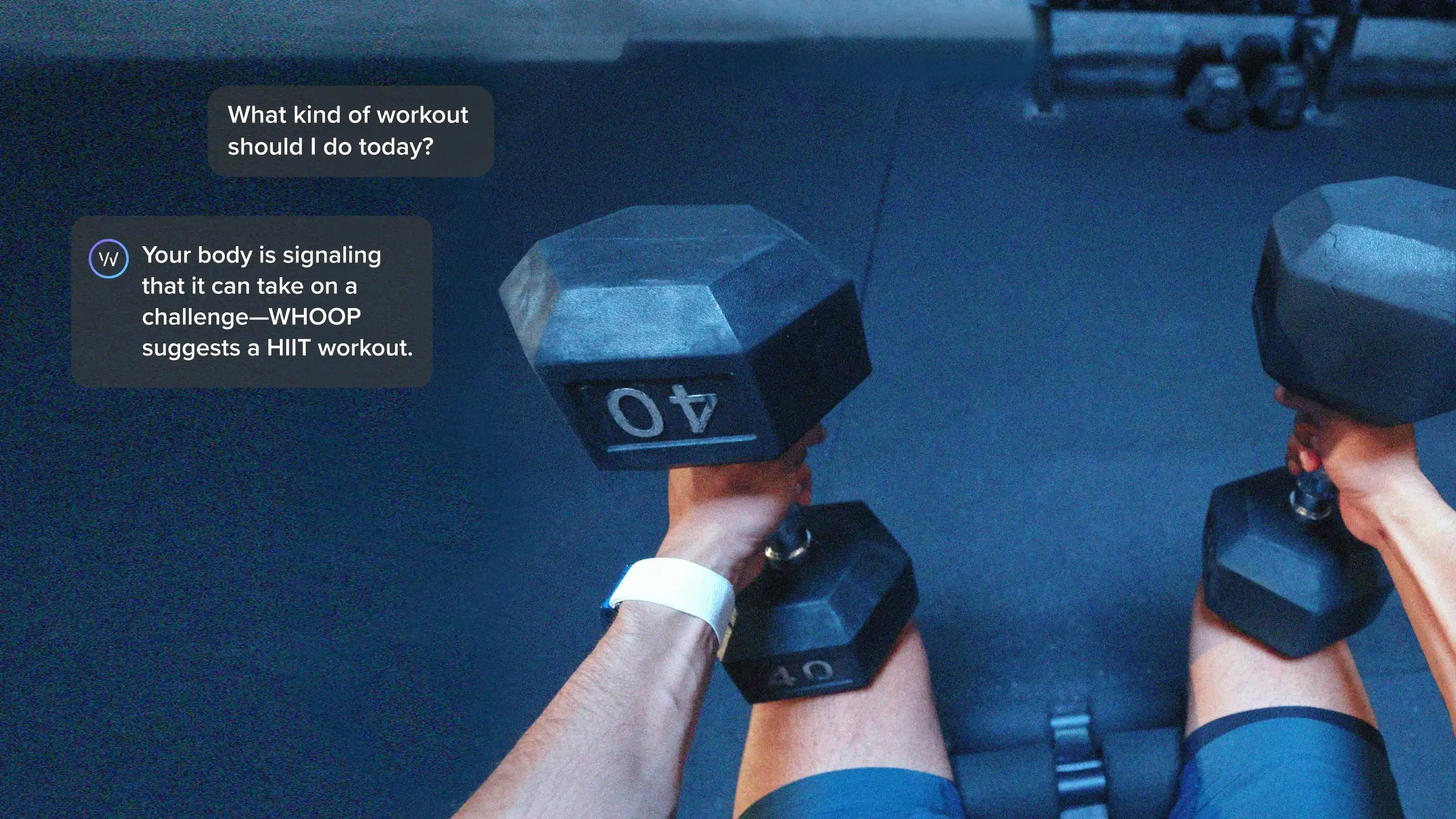
- WHOOP offers in-app coaching based on your data. For instance, it might suggest optimal workout windows or tell you when to prioritize sleep. The insights are tailored to your specific physiological responses, making the guidance more personalized compared to other fitness wearables.

How WHOOP Differs from Other Fitness Trackers
- No Display, Just Data
- WHOOP does away with the traditional watch face. Instead, it focuses entirely on gathering and analyzing data. This might seem like a downside for some, but WHOOP encourages users to focus less on real-time numbers and more on long-term trends and actionable insights.
- Subscription-Based Model
- Unlike most fitness trackers that you buy upfront, WHOOP operates on a subscription basis. The band itself is free with a membership, and the subscription gives you access to the WHOOP app and all its premium features. This pricing model may seem different but allows WHOOP to constantly update features and data analysis without users having to buy new hardware.
- 24/7 Wearability
- Recovery-Centric Approach
- Many fitness trackers emphasize steps or calories, but WHOOP’s primary focus is recovery. By providing daily insights into your readiness to perform, WHOOP helps users avoid overtraining and ensures they make the most of their workout sessions.

Who is WHOOP Best Suited For?
- Athletes: Professional and amateur athletes can use WHOOP to balance their training and recovery, optimizing performance.
- Fitness Enthusiasts: If you’re serious about fitness and want to fine-tune your workouts and rest, WHOOP provides the data and insights to take your routine to the next level.
- Health-Conscious Individuals: WHOOP is also great for people interested in tracking sleep quality, stress, and general wellness, even if they aren’t focused on intense training.
Pros and Cons of the WHOOP Band
Pros:
- Advanced recovery and sleep tracking
- HRV monitoring for stress and fitness levels
- Actionable, personalized insights
- 24/7 wearability with on-the-go charging
- No bulky display, sleek and minimal design
Cons:
- Subscription-based model may be a barrier for some
- No display might not appeal to users who want real-time data
- Requires commitment to maximize the benefits (consistent wear and tracking)
Final Thoughts: Is the WHOOP Band Worth It?
The WHOOP band stands out in a crowded market of fitness wearables by offering a unique focus on recovery, strain, and sleep. For athletes and fitness enthusiasts who are looking to take their performance to the next level, WHOOP offers valuable insights that are not available with standard fitness trackers. However, it might not be for everyone—especially those looking for instant data from a display or a one-time purchase model.
For those ready to commit to continuous data tracking and willing to invest in a subscription, WHOOP can be a game-changer for health, fitness, and performance optimization.